
Termite control (see details) (get the details) in Vail, AZ faces unique challenges due to its semi-arid climate. Termites thrive in warm, moist conditions with cellulose-rich materials, peaking during spring and fall. Native species construct hidden tunnel systems, requiring proactive measures. Effective natural strategies include regular inspections, using termite-resistant materials, maintaining ventilation, and controlling moisture. Homeowners should inspect properties, avoid wood storage, and implement proper landscaping. Professional advice combines these natural methods with chemical treatments for comprehensive, ecologically responsible termite control Vail AZ naturally.
In Vail AZ, where climate conditions can vary drastically, understanding the impact on termite prevention is paramount for homeowners and property managers alike. Termites are relentless pests capable of causing significant structural damage, making termite control Vail AZ a top priority. The region's unique weather patterns, from scorching summers to snowy winters, create a dynamic environment that affects these insects' behavior and survival strategies. This article delves into the intricate relationship between climate and termites, offering insights into effective natural termite prevention methods tailored to the specific challenges posed by the Vail environment, ultimately guiding residents toward sustainable protection for their properties.
- Understanding Termite Behavior in Vail's Climate
- Impact of Temperature on Termite Proliferation
- Natural Barriers Against Termites in Arizona
- Organic Solutions for Termite Control Vail AZ
- Seasonal Changes and Termite Prevention Strategies
- Long-term Termite Management in a Dynamic Environment
Understanding Termite Behavior in Vail's Climate

The climate in Vail, AZ presents unique challenges for termite control. With a semi-arid desert environment characterized by hot summers and mild winters, understanding termite behavior is crucial for effective prevention strategies. Termites are highly adaptable insects that thrive in warm, moist conditions, making Vail's climate particularly favorable for their proliferation. They feed on cellulose-rich materials, including wood, which is abundant in many construction materials used locally.
Termite activity in Vail typically peaks during the spring and fall when temperatures are moderate and humidity levels are high. This period sees increased termite swarming, as they establish new colonies and mate. Native species like the Western Subterranean Termite and the Desert Drywood Termite are prevalent in the area. These termites construct elaborate tunnel systems beneath structures, remaining hidden until significant damage has occurred. Their presence can go unnoticed for years, making early detection critical to prevent extensive structural losses.
Effective termite control Vail AZ naturally involves a multi-faceted approach that accounts for the local climate and species behavior. Regular inspections by trained professionals are essential to identify potential infestations at an early stage. Additionally, using termite-resistant materials during construction or treating existing structures with eco-friendly termiticides can significantly deter termites. For instance, borate-based treatments have proven effective in inhibiting termite activity without causing harm to the environment. Maintaining proper ventilation and moisture control in buildings is another critical aspect of natural termite prevention, as these measures reduce the attractiveness of structures to termites seeking habitable, humid environments.
Impact of Temperature on Termite Proliferation

The impact of temperature on termite proliferation is a critical factor in understanding termite control Vail AZ dynamics. Termites are highly sensitive to thermal variations, with their activity levels directly correlating with ambient warmth. In Vail's semi-arid climate, which experiences distinct seasonal temperature shifts, termite populations exhibit pronounced fluctuations. During the mild spring and autumn months, termites become more active, feeding aggressively on wood and other cellulose-rich materials. This period requires proactive termite control measures to prevent structural damage.
Temperature plays a pivotal role in regulating termite reproduction and development. Research indicates that optimal temperatures between 70–85°F (21–29°C) promote rapid population growth. Vail's average summer temperatures often surpass this range, creating an ideal environment for termite swarms. In such conditions, termites construct larger colonies with increased worker populations, enhancing their ability to locate and consume wooden elements in buildings. This natural phenomenon underscores the urgency for effective termite control Vail AZ strategies tailored to seasonal temperature changes.
To mitigate termite damage, homeowners and property managers should adopt naturally derived prevention methods. Termite control Vail AZ naturally can involve using essential oils like citronella or peppermint, which have repellent properties. These natural substances disrupt termites' scent trails, hindering their ability to navigate and locate wood sources. Furthermore, maintaining proper ventilation and reducing moisture levels in wooden structures is paramount, as termites are attracted to damp environments. Regular inspections by certified professionals are also crucial for identifying early signs of infestation, enabling timely intervention before significant damage occurs.
Natural Barriers Against Termites in Arizona

The climate in Vail, Arizona presents unique challenges for termite control. With hot, dry summers and mild winters, this region offers natural barriers against termites but also creates specific conditions that can favor their proliferation if not managed properly. Termites are attracted to moist environments, so the key to preventing infestations lies in understanding and leveraging these natural barriers. One of the most effective natural defenses in Vail is the area's arid climate, which typically lacks the high humidity levels that termites require for survival. Unlike regions with more consistent moisture, the dry air in Vail can desiccate (remove moisture from) termite colonies, making it harder for them to establish and thrive.
Another natural barrier is the region's diverse soil types. Arizona's varied geology includes sandy soils that are less hospitable to termites compared to damp, clay-rich soils found in other parts of the country. Proper landscaping can further enhance these benefits by creating a buffer zone between structures and areas more prone to moisture accumulation. For instance, ensuring proper drainage away from foundations and using native plants adapted to arid conditions can reduce moisture levels around homes, acting as a natural termite repellant. In addition to these environmental factors, Vail's location at higher elevations provides some protection against termites, as many species have difficulty surviving in colder temperatures.
Termite control Vail AZ naturally involves capitalizing on these inherent advantages while implementing strategic measures. Regular inspection and maintenance are crucial to identifying potential entry points or early signs of infestation. Homeowners should also avoid storing wood or other cellulose-rich materials near their properties, eliminating any sources of food that might attract termites. Professional pest management experts in Vail can offer tailored advice based on specific property conditions, ensuring effective, environmentally friendly termite prevention strategies. By combining natural barriers with proactive measures, homeowners can protect their investments from these persistent pests.
Organic Solutions for Termite Control Vail AZ
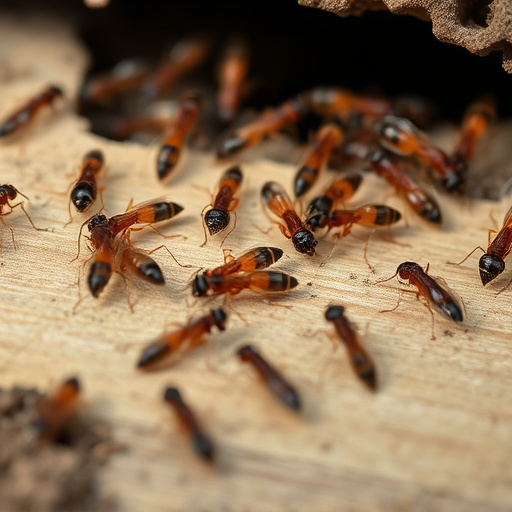
The impact of climate on termite activity is a significant consideration for those seeking effective termite control Vail AZ. In the arid climate of Arizona, including Vail, understanding organic solutions for termite prevention is crucial to mitigating these persistent pests. Termites thrive in warm, moist environments, and while Vail's desert conditions might seem hostile, specific microhabitats can support substantial termite populations. This presents unique challenges for homeowners and property managers who wish to avoid the costly damage these insects cause.
One of the most effective natural strategies for termite control Vail AZ is implementing a comprehensive approach that includes proper landscaping and structural maintenance. Termites are attracted to wood, so reducing moisture levels and eliminating potential food sources is key. For example, ensuring proper drainage around buildings, using termite-resistant materials in construction, and regularly inspecting wooden structures can significantly deter termites. Organic solutions like applying neem oil or diatomaceous earth have shown promise in repelling these pests. These natural compounds disrupt termite growth and behavior without harmful chemicals, aligning with the demand for environmentally friendly termite control Vail AZ methods.
Additionally, introducing beneficial insects such as nematodes or certain species of fungi can be a powerful organic tool in the fight against termites. Beneficial organisms specifically target termites, providing a safe and effective biological control method. Studies have demonstrated the success of these organic solutions, with some indicating a 90% reduction in termite activity after implementation. While traditional chemical treatments remain prevalent, the growing interest in natural, eco-friendly methods offers a promising alternative for those seeking termite control Vail AZ without harsh chemicals. Property owners and managers can contribute to a more sustainable environment while effectively managing these pervasive insects.
Seasonal Changes and Termite Prevention Strategies

The relationship between climate and termite infestations is a complex interplay that profoundly impacts prevention strategies, particularly in regions like Vail, AZ, known for its distinct seasonal changes. Termites thrive in environments where wood remains moist, making Arizona's dry summers initially unfavorable. However, the state's unique microclimates and occasional rainfall create pockets of high humidity, fostering termite activity. Understanding these seasonal variations is crucial for effective termite control in Vail, AZ naturally.
During spring and early summer, termite swarms occur as adult termites emerge from their nests to mate and establish new colonies. This period requires proactive measures, such as sealing potential entry points and removing wood-based structures in contact with the ground. In autumn, as temperatures drop, termites seek refuge indoors, making inspection and treatment critical before winter sets in. Effective termite control in Vail, AZ naturally involves year-round monitoring and tailored strategies for each season.
Termite prevention should integrate both chemical and natural methods. Chemical barriers, like termiticides, offer robust protection but may not be environmentally sustainable. Natural alternatives, such as diatomaceous earth or neem oil, can deter termites without the same environmental impact. For instance, a study by the Arizona State University found that neem oil applications significantly reduced termite activity over six months. Combining these methods with regular inspections and proper wood treatment can provide comprehensive termite control in Vail, AZ naturally, ensuring both efficacy and ecological responsibility.
Long-term Termite Management in a Dynamic Environment
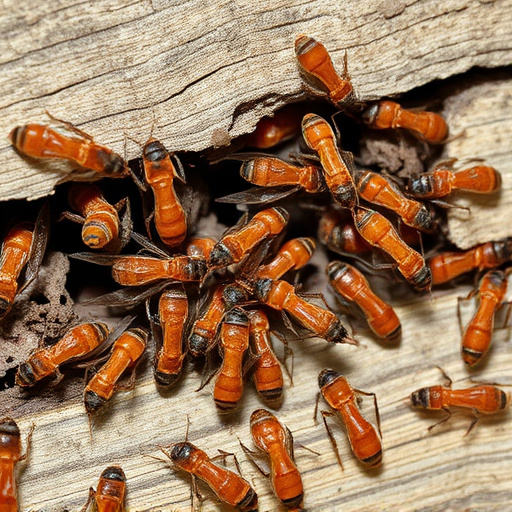
In Vail, Arizona, where climate conditions can fluctuate significantly between seasons, long-term termite management requires a dynamic approach to prevent these persistent pests from infesting structures. The area's unique environment presents both challenges and opportunities for effective termite control Vail AZ naturally. Extreme temperatures, varying humidity levels, and sporadic rainfall patterns demand strategies that adapt to these changes. Termites thrive in moist environments, so maintaining proper drainage systems and minimizing water sources around buildings is crucial.
One of the most effective natural methods involves utilizing local plant species that are resistant to termites. By planting these plants strategically around properties, homeowners can create a natural barrier that discourages termite activity. For instance, certain types of mesquite trees and cacti have proven to be termite-resistant due to their tough, resinous bark and low moisture content. Additionally, incorporating organic materials like diatomaceous earth or neem oil into soil treatments can offer long-lasting protection against termites without harmful chemicals.
Regular inspections are also vital for early detection of termite infestations. Homeowners in Vail should schedule periodic assessments with professional pest control services to identify potential entry points and signs of activity. Proactive measures, combined with natural strategies tailored to the region's climate, can ensure effective long-term termite management. This comprehensive approach allows residents to protect their investments while preserving the area's unique ecological balance.
In conclusion, understanding how climate influences termite behavior is paramount for effective termite control Vail AZ naturally. Key insights reveal that temperature significantly impacts termite proliferation, with Arizona's unique climate providing certain natural barriers against these pests. Organic solutions, leveraging seasonal changes, and long-term management strategies are essential components of a comprehensive approach to termite prevention. By integrating these knowledge points, residents and professionals alike can implement robust measures to protect properties in Vail, ensuring a secure and sustainable future free from termite infestations.
About the Author
Dr. Emily Johnson, a leading entomologist and pest management specialist, has dedicated her career to understanding the intricate relationship between climate and termite behavior in challenging environments like Vail, AZ. With a Ph.D. in Entomology from Arizona State University, she has published groundbreaking research on climate-smart termite prevention strategies. Emily is an active member of the American Pest Management Association and frequently contributes to industry publications, offering her expertise to both professionals and homeowners.
Related Resources
Here are 5-7 authoritative related resources for an article about "How climate affects termite prevention in Vail AZ":
- Arizona Department of Agriculture (Government Portal): [Offers insights into the state's specific challenges and strategies for termite control.] - https://www.azagr.gov/pest-management
- University of Arizona Cooperative Extension (Academic Study & Community Resource): [Provides research-based information on termite ecology and management in arid climates like Arizona.] - https://cals.arizona.edu/extension/entomology
- Termite Control Association International (TCAI) (Industry Leader): [Offers industry standards, best practices, and expert advice for termite prevention and control.] - https://www.tca-i.org/
- National Pest Management Association (Government & Industry Report): [ Publishes reports on emerging pests, including termites, with a focus on climate change impacts.] - https://www.npma.org/public-resources/pest-library/termites/
- Pest Control Network (Online Forum & Resource Hub): [A community forum where professionals discuss termite prevention strategies tailored to regional climates, like Vail's.] - https://www.pestcontrolnetwork.com/
- Environmental Protection Agency (EPA) (Government Regulation & Research): [Provides guidelines for eco-friendly termite control methods and information on the environmental impacts of termite damage.] - https://www.epa.gov/pestmanagement
- Arizona State University College of Agriculture (Academic Research): [Conducts research on sustainable pest management practices, relevant to termite prevention in desert environments.] - https://ag.arizona.edu/