Understanding Termite Control Vail AZ
Termites are a significant concern for homeowners and property managers in Vail, Arizona. Effective termite control measures are essential to protect structures from the damage these insects can cause. Termite control in Vail AZ involves a comprehensive approach that includes identification, monitoring, and treatment of infestations using environmentally responsible methods. The core components of termite control include:
- Inspection: Regular inspections by licensed pest control professionals to identify signs of termite activity.
- Monitoring: Setting up monitoring stations around the property to detect termite presence early.
- Treatment: Application of effective treatment options such as baits, liquid treatments, or heat treatments to eliminate existing colonies and prevent new ones from establishing.
- Prevention: Recommendations for maintaining the property to prevent future infestations, including proper ventilation, moisture control, and wood removal.
- Follow-up: Ongoing inspections and treatments as necessary to ensure long-term control of termite populations.
Historically, termite control in Vail AZ has evolved from using more toxic chemicals to developing eco-friendly alternatives that are effective yet safe for the environment and occupants. This evolution reflects a broader trend towards sustainable pest management practices.
Global Impact and Trends
Termites are not limited by geographic boundaries; they pose a global challenge, affecting structures in nearly every region of the world. The impact of termites is significant, with estimates suggesting that they cause more damage annually than fires, storms, and earthquakes combined. In Vail AZ, the arid climate can influence termite behavior and the effectiveness of control measures.
Key trends shaping the trajectory of termite control include:
- Increased Awareness: Greater public awareness of the risks posed by termites leads to more proactive management practices.
- Technological Advancements: Innovations in detection, monitoring, and treatment technologies enhance the effectiveness of termite control programs.
- Sustainability: A growing emphasis on sustainable and integrated pest management (IPM) strategies minimizes environmental impact while maintaining control.
- Regulatory Changes: Changing laws and regulations influence the types of treatments that can be used in termite control.
Economic Considerations
The economic implications of termite infestation are significant. Beyond the cost of damage repair, there are indirect costs associated with business disruption, insurance claims, and reduced property values. In Vail AZ, the real estate market is particularly sensitive to such factors, making termite control a critical component of property maintenance.
Market dynamics in termite control services often involve competitive pricing, service quality, and customer satisfaction. Investment patterns reflect a growing willingness to allocate resources towards preventive measures rather than reactive treatments after damage has occurred. The role of termite control in economic systems is multifaceted, impacting the construction industry, insurance sector, and property markets.
Technological Advancements
Technology plays a crucial role in modern termite control strategies. Advancements include:
- Smart Monitoring Stations: Devices that detect termites using sensors and send alerts to pest control operators.
- Efficient Treatment Methods: Less invasive, more targeted treatments such as spot treatments with targeted baits or direct wood treatment.
- Drone Surveillance: Drones can inspect hard-to-reach areas and provide real-time data to pest control professionals.
- AI and Machine Learning: Algorithms analyze patterns in termite activity to predict infestations before they occur.
These advancements are poised to revolutionize the field of termite control, offering more effective, less disruptive, and environmentally sound options for property owners.
Policy and Regulation
The governance of termite control in Vail AZ is shaped by a combination of state and federal regulations, including:
- EPA Standards: The Environmental Protection Agency sets guidelines for the use of pesticides, ensuring they are safe for public health and the environment.
- Local Ordinances: Vail AZ may have specific building codes and ordinances that address termite prevention and control.
- Licensing Requirements: Pest control operators must be licensed, adhering to best practices and safety standards.
- Integrated Pest Management (IPM): Encourages a more holistic approach to pest management, emphasizing non-chemical methods and environmental stewardship.
These policies and regulations are designed to protect public health and the environment while ensuring that termite control measures are effective and responsible.
Challenges and Criticisms
Termite control in Vail AZ faces several challenges, including:
- Resistance Development: Termites can develop resistance to certain pesticides, necessitating the development of new treatment strategies.
- Climate Change: Altered climate patterns may affect termite behavior and distribution, presenting new challenges for control measures.
- Public Perception: Misinformation about the safety and necessity of termite control treatments can lead to resistance from property owners.
- Regulatory Compliance: Keeping up with changing regulations can be challenging for pest control operators.
Addressing these challenges requires a combination of research, education, and adaptive management practices.
Case Studies: Termite Control Success Stories in Vail AZ
Several case studies demonstrate the successful application of termite control measures in Vail AZ. These success stories often involve a combination of prevention, early detection, and targeted treatment strategies, coupled with ongoing monitoring and maintenance. By sharing these experiences, the community can learn best practices for effective termite management.
Conclusion
Termite control in Vail AZ is a complex issue that requires a multifaceted approach, encompassing economic, environmental, and social considerations. Through advancements in technology, adherence to policy and regulation, and a commitment to sustainable practices, termite control can protect homes, businesses, and the environment while contributing to the overall well-being of the community. As challenges arise, the industry must adapt and innovate to maintain effective and responsible termite management strategies.
Please note that this content is informational and does not substitute for professional pest control advice or services.
Termite control Vail AZ naturally focuses on leveraging the region's unique ecosystem. Arid climate and strategic landscaping offer natural protection. Key strategies include regular inspection, proper drainage, sealing entry points, and using organic repellents like neem oil. DIY methods provide control but professional assessments offer comprehensive solutions for effective termite control Vail AZ.
Termites are a significant concern for homeowners in Vail, AZ, causing extensive damage to structures if left unchecked. As such, effective termite control is paramount to protect investments and maintain the integrity of homes. While professional services are readily available, many residents seek DIY solutions for natural termite control, embracing environmentally conscious approaches. This article delves into practical, natural methods tailored specifically for Vail homeowners, offering insights into managing these pests without resorting to harsh chemicals. By exploring alternative termite control Vail AZ techniques, we empower residents with knowledge, promoting proactive measures for a secure and sustainable living environment.
Understanding Termite Behavior & Vail AZ's Natural Defenses
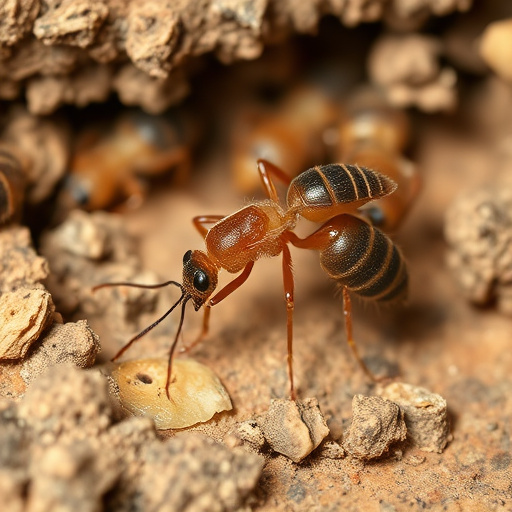
Vail AZ’s unique ecosystem offers a rich environment for termites, but understanding their behavior can empower homeowners with effective DIY termite control strategies. Termites are highly social insects that live in complex colonies, often buried underground, with specialized workers responsible for foraging, feeding, and protecting the colony. In Vail, these pests are particularly drawn to the area’s abundant wood sources, from residential structures to nearby natural habitats.
One key aspect of Vail AZ’s natural defenses against termites is its aridity. Unlike humid regions, the dry climate slows down termite activity, making it a natural barrier. However, as temperatures rise and rainfall patterns change due to climate variability, this defense may weaken. Homeowners should be vigilant, especially during wetter seasons, as termites can become more active and proliferate faster. The region’s diverse plant life also plays a role; certain plants naturally repel termites due to their chemical compounds, offering organic protection when incorporated into landscaping.
Termite control Vail AZ naturally involves leveraging these environmental factors. Homeowners can enhance their properties’ natural defenses through strategic planting, ensuring proper drainage, and maintaining wood structures away from vegetation. Regular inspection is crucial; identifying early signs of termite damage allows for swift action. DIY methods include applying neem oil, a natural insecticide derived from the neem tree, which disrupts termites’ growth and reproduction cycles. Physical barriers like metal shields around foundations and wooden structures can also deter termites, providing a line of defense against these persistent pests.
Implementing DIY Termite Control Tactics Effectively & Safely

Implementing DIY termite control tactics effectively and safely requires a comprehensive understanding of these invasive pests and their behaviors. In Vail AZ, where natural environments thrive, homeowners have unique challenges when it comes to protecting their properties from termites. Termites are attracted to moisture and wood, making them prevalent in areas with abundant vegetation and high humidity levels. Therefore, a successful DIY approach must address both the presence of wood and potential water sources that might draw these insects.
One natural method involves identifying and eliminating potential entry points into your home or structure. Seal any cracks or gaps around windows, doors, or utility pipes using caulk or similar materials designed for termite prevention. Additionally, ensuring proper drainage away from your house can significantly reduce risks. For instance, redirecting downspouts to prevent water pooling near the foundation or installing french drains can help deter termites seeking moist environments. Natural repellents like neem oil, boric acid, and diatomaceous earth have proven effective against termites when applied correctly. These substances disrupt the insects’ nervous systems, offering a safer alternative to chemical pesticides. For instance, mixing 1 part boric acid with 4 parts powdered sugar creates an attractive bait that, when consumed by termites, can lead to colony disruption.
Regular inspection is another crucial component of successful DIY termite control in Vail AZ. Termites are often hidden from view, so periodic examinations allow for early detection of infestations or signs of damage. Check for swarms, small piles of wings, or noticeable wood damage. Using a flashlight and examining hard-to-reach areas can reveal hidden activities. Once identified, targeted treatment is more effective and less invasive than full-scale chemical applications. Remember, while DIY methods offer control and cost savings, they may not replace professional assessments for comprehensive solutions.
By understanding termite behavior and leveraging Vail AZ’s natural defenses, homeowners can implement effective DIY termite control methods. Key insights include identifying potential entry points, maintaining proper moisture balance, and using natural repellents like neem oil and boric acid. Safe application practices ensure minimal environmental impact while maximizing protection. Termite control in Vail AZ naturally starts with proactive measures, regular inspections, and knowledge of local termite species. These steps empower homeowners to take control of their properties, preventing costly damage and promoting a sustainable approach to pest management.