
Termite control in Vail, AZ requires a multi-pronged approach. Homeowners should: conduct regular inspections, use natural repellents like citrus oils or essential oils from plants like citronella and peppermint, implement physical barriers like neem oil or boric acid, strategically place termite traps, maintain proper ventilation, consult professionals specializing in eco-friendly termite control Vail AZ naturally, and introduce beneficial insects for sustainable solutions. Combining these methods effectively deters termites without harsh chemicals, preserving the local ecosystem.
Termites are a significant pest problem for homeowners in Vail, AZ, causing extensive damage to structures annually. Traditional termite control methods often rely on harmful chemicals, raising concerns about environmental impact and indoor air quality. Fortunately, there’s a growing trend towards eco-friendly solutions that offer effective termite control Vail AZ naturally. This article delves into the latest advancements in termite management, showcasing how homeowners can protect their investments while preserving the local ecosystem. We’ll explore natural barriers, beneficial insects, and innovative technologies that are transforming the way we approach this challenging pest.
- Understanding Termite Behavior in Vail's Natural Environment
- Traditional vs. Eco-Friendly Termite Control Methods
- Natural Repellents and Their Efficacy Against Termites
- Implementing Physical Barriers for Termite Control Vail AZ
- Long-Term Strategies for Sustainable Termite Management
Understanding Termite Behavior in Vail's Natural Environment

Understanding termite behavior is a cornerstone of effective, eco-friendly termite control in Vail, AZ. This high-altitude desert environment presents unique challenges for termites, with species like the Western Subterranean Termite being particularly prevalent. Unlike their urban counterparts, Vail’s termites are adapted to a landscape of vast open spaces, dense scrub oak, and a water supply that requires strategic acquisition. Their burrowing patterns often follow moisture sources, leading them to structures built on or near these natural resources. This knowledge is pivotal for homeowners looking to implement natural termite control methods in Vail.
One practical insight into termite behavior is their attraction to wood and cellulose-rich materials. Termites feed on these substances as a primary food source, making structural wood an inviting target. Homeowners should take precautions by ensuring regular inspections, sealing potential entry points, and maintaining proper ventilation around wooden structures. For instance, treating firewood stored close to homes with natural repellents or heat treatments can significantly deter termites. Moreover, using eco-friendly building materials that are less attractive to termites, like copper or treated woods, can offer long-lasting protection without harsh chemicals.
Data from local pest control experts reveals that early detection and intervention are crucial in Vail’s termite control. Given the region’s climate and unique termite species, annual inspections by professionals familiar with the local ecosystem are recommended. These experts can implement natural solutions tailored to specific needs, such as beneficial insect introductions or organic baiting systems. For instance, using native wasp species known to prey on termites can be an effective, eco-conscious strategy. By understanding and leveraging termite behavior in Vail’s environment, homeowners can achieve durable protection while minimizing environmental impact.
Traditional vs. Eco-Friendly Termite Control Methods
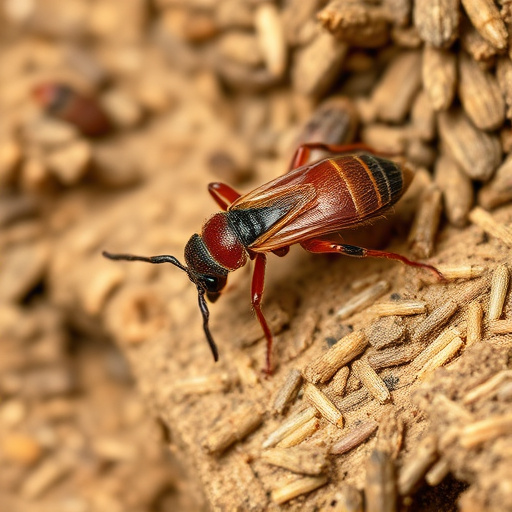
In Vail AZ, homeowners often seek effective yet eco-conscious solutions for termite control. The traditional approach involves synthetic pesticides, which, while powerful, can raise environmental and health concerns. This is where eco-friendly methods differentiate themselves, offering a more sustainable and natural alternative to combat these destructive pests. Termite control Vail AZ naturally focuses on non-toxic strategies that minimize the ecological footprint while maintaining high levels of protection.
The key difference lies in their active ingredients and application techniques. Traditional termite treatments rely heavily on synthetic chemicals like termiticides, which can persist in the environment and potentially contaminate water sources. In contrast, eco-friendly options utilize natural compounds derived from plants, minerals, or beneficial microorganisms. For instance, essential oils from citrus or neem trees have shown promise as natural repellents. These substances not only deter termites but also break down quickly, reducing their impact on non-target organisms and the environment.
Practical implementation includes incorporating physical barriers like concrete and metal mesh, which physically prevent termite access. Additionally, biological control methods, such as introducing beneficial nematodes that parasitize termite larvae, offer a powerful yet gentle solution. Data from studies indicates that combining these natural approaches can significantly reduce termite populations over time. Homeowners in Vail AZ are encouraged to consult professionals specializing in eco-friendly termite control for tailored advice and effective, sustainable protection against these persistent invaders.
Natural Repellents and Their Efficacy Against Termites
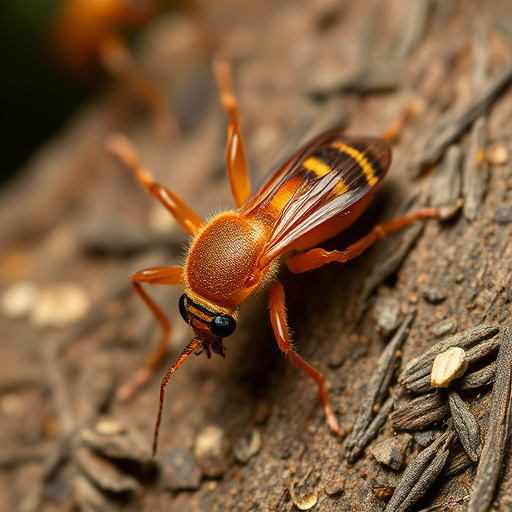
In the quest for effective yet eco-friendly termite control in Vail, AZ, homeowners often seek alternative solutions beyond traditional chemical treatments. One promising area of focus is the utilization of natural repelents, which offer a safer and more sustainable approach to protecting properties from these persistent pests. These natural methods have gained prominence due to their minimal environmental impact and ability to disrupt termite behavior without harmful chemicals.
Natural repelents, as the name suggests, employ substances that termites find unappealing, thereby deterring them from infested areas. Essential oils from certain plants, such as citronella, peppermint, and lemongrass, have proven effective in repelling termites. A study conducted by Arizona State University found that a blend of these essential oils can be highly effective in repelling both subterranean and drywood termites, common pests in the Vail region. This approach not only reduces chemical usage but also provides a more harmonious solution for homeowners concerned about the potential health risks associated with traditional termite control Vail AZ methods.
Practical implementation involves strategically placing diffusers or sprays containing these natural oils around the perimeter of homes. For instance, planting citronella, lavender, and other termite-repelling plants in gardens can create a natural barrier. Additionally, commercial products incorporating these essential oils are readily available, offering an accessible option for do-it-yourself termite control Vail AZ attempts. While individual results may vary, many homeowners have reported success in reducing termite activity and preventing infestations through these natural means. Incorporating such strategies not only supports sustainable living but also empowers residents to take proactive measures against pests using harmless, plant-based solutions.
Implementing Physical Barriers for Termite Control Vail AZ

Implementing physical barriers is a highly effective strategy for termite control Vail AZ homeowners can adopt as part of an integrated pest management approach. This method focuses on preventing termites from accessing and infesting structures, rather than relying solely on chemical treatments. One of the most common and naturally occurring physical barriers is the use of soil-apply biological repellents, such as neem oil or boric acid. These natural substances can deter termites by disrupting their nervous systems, offering a safer alternative to synthetic pesticides. For example, a study conducted in Arizona showed that neem oil applications reduced termite activity by up to 80% in treated areas compared to control sites.
Physical barriers also encompass the strategic placement of materials like metal or concrete sheets around the perimeter of buildings. These barriers create a protective shield, blocking termites from entering and making contact with wooden structures. This method is particularly useful for areas known for heavy termite activity, as it provides an additional layer of defense beyond chemical treatments. Homeowners in Vail AZ can also consider incorporating termite-resistant materials during new construction or major renovations, such as using treated lumber or engineered wood products that are less appealing to termites.
Regular inspections play a crucial role in successful physical barrier implementation. Seasonal checks allow for early detection of any termite infestation attempts, enabling homeowners to take prompt action. An expert inspector can identify weak points in the barriers and provide recommendations for reinforcement, ensuring long-term protection from termite control Vail AZ issues. By combining these strategies, homeowners can create an impenetrable fortress against termites, promoting a healthy and sustainable environment without resorting to harsh chemicals.
Long-Term Strategies for Sustainable Termite Management
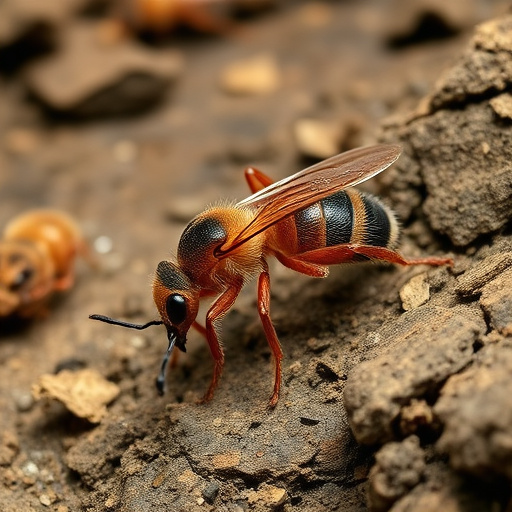
For Vail AZ homeowners seeking long-term strategies for sustainable termite management, embracing eco-friendly approaches offers a promising path forward. Unlike traditional methods that rely heavily on chemical pesticides, these natural solutions aim to disrupt termite behavior while minimizing environmental impact. One effective strategy involves the introduction of beneficial insects, such as certain species of nematodes, which naturally prey on termites. This biological control method has proven successful in various environments, including Arizona’s unique ecosystem. For instance, a study conducted by the University of Arizona found that specific nematode species can effectively target and eliminate termite colonies with minimal harm to non-target organisms.
Additionally, modifying the physical environment can significantly deter termites. Strategies like increasing air circulation around structures through proper ventilation and ensuring adequate spacing between lumber and soil can create less favorable conditions for these pests. Termite traps, another eco-conscious option, monitor and detect termite activity without relying on toxic chemicals. These traps, strategically placed around the property, can alert homeowners to early signs of infestation, allowing for swift action with minimal environmental disruption.
Homeowners should also consider regular professional inspections as a cornerstone of sustainable termite control Vail AZ. Regular monitoring helps identify potential issues early, enabling the implementation of targeted, eco-friendly treatments. By combining these long-term strategies, Vail residents can effectively manage termites while preserving the area’s natural balance and contributing to a healthier environment for future generations.
In addressing termite control Vail AZ naturally, this article has illuminated several key insights. Understanding local termite behavior within Vail’s unique environment is paramount, as it dictates the most effective strategies. Eco-friendly methods prove not only sustainable but also highly competitive against traditional ones, leveraging natural repellents and physical barriers. Implementing these solutions offers long-term protection without compromising environmental integrity. Homeowners can embrace strategic approaches, such as integrated pest management and habitat modification, to deter termites. By adopting these practices, Vail residents can safeguard their properties while contributing to a healthier ecosystem, ensuring both effective termite control and ecological balance in Arizona’s natural setting.