Understanding Termite Control Vail AZ
Termites are a significant concern for homeowners and property managers in Vail, Arizona. Effective termite control measures are essential to protect structures from the damage these insects can cause. Termite control in Vail AZ involves a comprehensive approach that includes identification, monitoring, and treatment of infestations using environmentally responsible methods. The core components of termite control include:
- Inspection: Regular inspections by licensed pest control professionals to identify signs of termite activity.
- Monitoring: Setting up monitoring stations around the property to detect termite presence early.
- Treatment: Application of effective treatment options such as baits, liquid treatments, or heat treatments to eliminate existing colonies and prevent new ones from establishing.
- Prevention: Recommendations for maintaining the property to prevent future infestations, including proper ventilation, moisture control, and wood removal.
- Follow-up: Ongoing inspections and treatments as necessary to ensure long-term control of termite populations.
Historically, termite control in Vail AZ has evolved from using more toxic chemicals to developing eco-friendly alternatives that are effective yet safe for the environment and occupants. This evolution reflects a broader trend towards sustainable pest management practices.
Global Impact and Trends
Termites are not limited by geographic boundaries; they pose a global challenge, affecting structures in nearly every region of the world. The impact of termites is significant, with estimates suggesting that they cause more damage annually than fires, storms, and earthquakes combined. In Vail AZ, the arid climate can influence termite behavior and the effectiveness of control measures.
Key trends shaping the trajectory of termite control include:
- Increased Awareness: Greater public awareness of the risks posed by termites leads to more proactive management practices.
- Technological Advancements: Innovations in detection, monitoring, and treatment technologies enhance the effectiveness of termite control programs.
- Sustainability: A growing emphasis on sustainable and integrated pest management (IPM) strategies minimizes environmental impact while maintaining control.
- Regulatory Changes: Changing laws and regulations influence the types of treatments that can be used in termite control.
Economic Considerations
The economic implications of termite infestation are significant. Beyond the cost of damage repair, there are indirect costs associated with business disruption, insurance claims, and reduced property values. In Vail AZ, the real estate market is particularly sensitive to such factors, making termite control a critical component of property maintenance.
Market dynamics in termite control services often involve competitive pricing, service quality, and customer satisfaction. Investment patterns reflect a growing willingness to allocate resources towards preventive measures rather than reactive treatments after damage has occurred. The role of termite control in economic systems is multifaceted, impacting the construction industry, insurance sector, and property markets.
Technological Advancements
Technology plays a crucial role in modern termite control strategies. Advancements include:
- Smart Monitoring Stations: Devices that detect termites using sensors and send alerts to pest control operators.
- Efficient Treatment Methods: Less invasive, more targeted treatments such as spot treatments with targeted baits or direct wood treatment.
- Drone Surveillance: Drones can inspect hard-to-reach areas and provide real-time data to pest control professionals.
- AI and Machine Learning: Algorithms analyze patterns in termite activity to predict infestations before they occur.
These advancements are poised to revolutionize the field of termite control, offering more effective, less disruptive, and environmentally sound options for property owners.
Policy and Regulation
The governance of termite control in Vail AZ is shaped by a combination of state and federal regulations, including:
- EPA Standards: The Environmental Protection Agency sets guidelines for the use of pesticides, ensuring they are safe for public health and the environment.
- Local Ordinances: Vail AZ may have specific building codes and ordinances that address termite prevention and control.
- Licensing Requirements: Pest control operators must be licensed, adhering to best practices and safety standards.
- Integrated Pest Management (IPM): Encourages a more holistic approach to pest management, emphasizing non-chemical methods and environmental stewardship.
These policies and regulations are designed to protect public health and the environment while ensuring that termite control measures are effective and responsible.
Challenges and Criticisms
Termite control in Vail AZ faces several challenges, including:
- Resistance Development: Termites can develop resistance to certain pesticides, necessitating the development of new treatment strategies.
- Climate Change: Altered climate patterns may affect termite behavior and distribution, presenting new challenges for control measures.
- Public Perception: Misinformation about the safety and necessity of termite control treatments can lead to resistance from property owners.
- Regulatory Compliance: Keeping up with changing regulations can be challenging for pest control operators.
Addressing these challenges requires a combination of research, education, and adaptive management practices.
Case Studies: Termite Control Success Stories in Vail AZ
Several case studies demonstrate the successful application of termite control measures in Vail AZ. These success stories often involve a combination of prevention, early detection, and targeted treatment strategies, coupled with ongoing monitoring and maintenance. By sharing these experiences, the community can learn best practices for effective termite management.
Conclusion
Termite control in Vail AZ is a complex issue that requires a multifaceted approach, encompassing economic, environmental, and social considerations. Through advancements in technology, adherence to policy and regulation, and a commitment to sustainable practices, termite control can protect homes, businesses, and the environment while contributing to the overall well-being of the community. As challenges arise, the industry must adapt and innovate to maintain effective and responsible termite management strategies.
Please note that this content is informational and does not substitute for professional pest control advice or services.
Termite control in Vail AZ naturally focuses on colon behavior, moisture reduction, physical barriers, natural repellents, beneficial insects, and regular inspections. Eco-friendly methods like Steinernema felti nematodes, metal meshes, diatomaceous earth, and borate treatments achieve high success rates while protecting local ecosystems. Certified professionals tailor these solutions to Vail's unique conditions.
Termites are a significant pest problem for homeowners in Vail, AZ, causing substantial structural damage annually. Traditional termite control methods often rely on toxic chemicals with potential environmental and health impacts. However, there’s a growing need for eco-friendly termite control options that align with the natural environment while effectively managing these pests. This article explores innovative, natural solutions for termite control in Vail, AZ, providing homeowners with valuable insights into mitigating this common issue with environmentally conscious approaches.
Understanding Termite Behavior in Vail AZ: Natural Approaches to Prevention
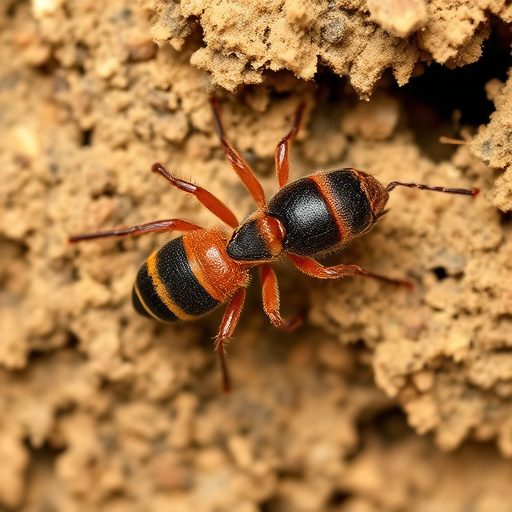
In Vail AZ, understanding termite behavior is key to effective eco-friendly termite control. Termites are highly social insects that live in organized colonies, with each member playing a specific role in their complex society. This knowledge allows homeowners to employ natural prevention strategies targeted at disrupting their lifecycle and deterring infestations. One approach involves reducing wood moisture levels, as termites are drawn to damp wood—a common occurrence in the Arizona climate. Regularly inspecting and addressing water leaks, improving ventilation in crawl spaces, and maintaining proper drainage around the home can significantly discourage termite activity.
Moreover, physical barriers and natural repellents offer powerful tools in termite control Vail AZ naturally. Installing physical barriers like metal mesh or chemical-free concrete membranes can impede termite access to structures. Planting specific herbs and flowers known for their insecticidal properties, such as lemongrass, lavender, and marigolds, around the perimeter of the property creates a natural defensive layer. These organic solutions not only repel termites but also promote a healthier outdoor environment free from harmful chemicals.
Homeowners should also consider beneficial insects, like certain species of spiders and wasps that prey on termites. Introducing these natural predators into the ecosystem can help regulate termite populations. Additionally, using borate-based treatments, which are less toxic than traditional options, can disrupt termite digestion and deter their activity. Regular inspections by certified professionals familiar with eco-friendly methods ensure these strategies remain effective and tailored to Vail’s unique ecological conditions.
Eco-Friendly Methods for Termite Control in Vail AZ Homes: A Comprehensive Guide
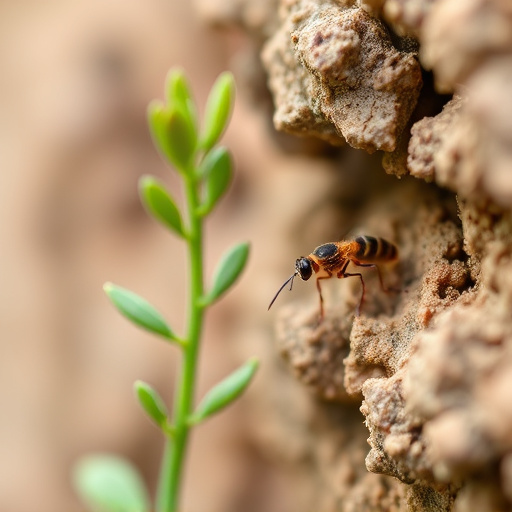
In Vail AZ, where natural beauty flourishes, homeowners increasingly seek eco-friendly termite control solutions that harmonize with their environment. Traditional methods, often involving harmful chemicals, raise concerns among those dedicated to preserving local ecosystems. Termites, though a significant pest issue, can be managed through less invasive, natural approaches. This comprehensive guide explores these alternatives, empowering Vail AZ residents to protect their homes while maintaining ecological balance.
One such method involves the strategic use of beneficial insects, such as nematodes and spiders, which naturally prey on termites. These biological controls are highly effective yet pose minimal risk to non-target species. For instance, Steinernema felti, a type of nematode, infects and kills termites by entering their bodies through natural openings. This method not only targets termites but also leaves little to no chemical residue, making it ideal for homes near water sources or areas with diverse wildlife. Data from the Arizona Department of Agriculture shows that biological controls can achieve up to 90% success rates in controlled environments, rivaling traditional chemical treatments.
Another eco-friendly termite control Vail AZ homeowners can employ is through organic barriers and modifications to their properties. Regular inspections identify weak points where termites might enter. After locating these areas, physical barriers like metal meshes or soil-based repellents can be implemented. These natural deterrents disrupt termites’ ability to navigate and colonize a structure without resorting to chemicals. For example, applying diatomaceous earth—a non-toxic powder made from fossilized algae—around the perimeter of homes creates an impenetrable barrier against termites and other pests. Homeowners should consult with certified pest control specialists who understand the local ecosystem and can recommend tailored, eco-conscious solutions for effective termite control in Vail AZ.
By understanding termite behavior in Vail AZ and adopting eco-friendly methods, homeowners can effectively manage these pests naturally. The article has provided a comprehensive guide to preventing and controlling termites without harmful chemicals, focusing on long-term solutions that protect both homes and the environment. Key insights include the importance of regular inspections, utilizing natural repellents, and implementing structural changes to deter termites. Homeowners now have the tools to make informed decisions about termite control in Vail AZ naturally, ensuring a safer and more sustainable living environment for their families and local ecosystems.