
Termite control in Vail, AZ, requires a comprehensive understanding of local species' behaviors, as the region's climate facilitates year-round activity. Key strategies for homeowners and professionals include:
– Regular visual inspections to detect early signs like mud tubes or swarms.
– Implementing natural repellents (lemon peels, neem oil, boric acid) and proper drainage to reduce moisture, termites' primary attraction.
– Sealing entry points and trimming overhanging branches that provide access.
– Using eco-friendly solutions like biopesticides and physical barriers, backed by scientific data.
– Minimizing moisture through leak repairs, improved ventilation, and dehumidifiers in humid areas.
– Landscaping practices including removing decaying wood and planting termite-repellent plants.
– Annual inspections by certified professionals for peace of mind and quick intervention.
These integrated pest management strategies protect properties' integrity while adhering to natural, sustainable methods for termite control in Vail, AZ.
In the vibrant residential landscape of Vail, AZ, homeowners face a persistent challenge: termite infestations. These subterranean intruders can cause significant structural damage, making proactive identification crucial for every property owner. Termite control Vail AZ is not merely about eradicating pests; it’s about safeguarding investments and ensuring the longevity of homes. This article provides an in-depth guide to recognizing termite risks unique to the region, empowering residents with knowledge and offering natural solutions for effective termite control Vail AZ practices.
- Understanding Termite Behavior in Vail AZ Homes
- Identifying Signs of Termite Infestation Naturally
- Assessing Your Property's Vulnerability: A Step-by-Step Guide
- Eco-Friendly Termite Control Options in Vail AZ
- Maintaining a Termite-Resistant Environment: Long-Term Strategies
Understanding Termite Behavior in Vail AZ Homes

In Vail AZ, understanding termite behavior is a critical step in identifying risks and implementing effective termite control measures. Termites are social insects that live in colonies, often hidden within the walls and foundations of residential properties. Unlike other pests, termites feed on cellulose-rich materials, making wood products and structural elements prime targets. In Vail’s climate, with its warm summers and mild winters, these insects thrive year-round. This consistent activity can lead to significant structural damage if left unchecked.
Termite behavior varies by species, with the most common culprits in Vail being the Western Subterranean Termite and the Desert Termite. The former is known for constructing elaborate tunnel systems beneath homes, while the latter prefers shallow burrows close to moisture sources. Both species can infiltrate a property through tiny cracks, unscreened vents, or even plumbing pipes. Once inside, they quietly chew through wood, often going undetected until substantial damage occurs. Homeowners should be vigilant for signs such as swarms of small insects around windows or doors, blistered or damaged drywall, or weakened floorboards—indicating a potential termite invasion.
Effective termite control Vail AZ begins with proactive measures. Regular inspections by certified professionals are essential to identifying and mitigating risks early. Termite baits and traps can also be deployed as a natural, less toxic alternative to traditional chemical treatments. By understanding the behaviors and habits of these pests, homeowners and professionals alike can work towards protecting properties in this scenic Arizona town, ensuring the longevity and integrity of residential structures.
Identifying Signs of Termite Infestation Naturally
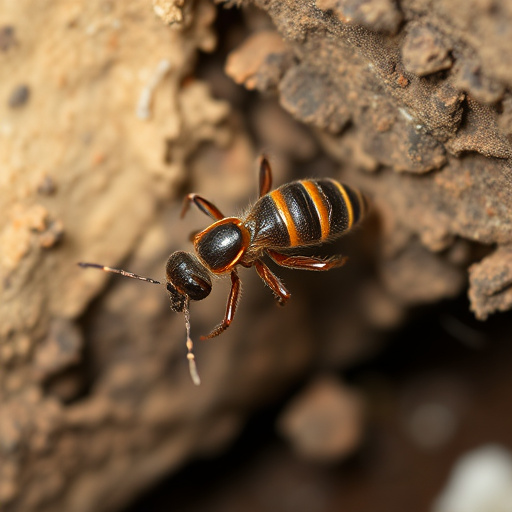
Termite infestations are a significant concern for homeowners in Vail, AZ, given the region’s warm, dry climate—ideal conditions for these wood-eating insects. Identifying signs of termite infestation naturally is crucial for prompt action to mitigate damage and prevent further colonization. One of the earliest indications is noticeable mud tubes, often found along foundations or walls. These tubes are constructed by termites as pathways to and from their nest and food sources, indicating an active infestation. Homeowners should also look out for weakened or damaged wood structures, as termites leave behind evidence of their feeding in the form of soft, hollowed-out timber.
Another natural sign is the presence of swarms of small insects around windows or exterior doors during late summer or early fall. These are winged termites, sent out from their colonies to mate and establish new nests. Termite control in Vail, AZ, naturally begins with meticulous inspection, as these signs can be subtle. Professional pest control experts recommend regular assessments, especially for older homes, as termite damage can go unnoticed until extensive and costly repairs are required.
Data suggests that early detection through proactive inspections reduces the need for extensive termite control treatments. Homeowners can also implement preventive measures like maintaining proper drainage around the property to eliminate standing water, which attracts termites. Additionally, using natural repellents such as lemon or orange peels, neem oil, and boric acid powder in strategic locations may deter termites naturally. For instance, placing these substances along foundation walls or in areas with known termite activity can act as a physical and chemical barrier. Termite control Vail AZ naturally is both an art and a science, requiring vigilance, expertise, and a multi-pronged approach to manage this persistent household pest effectively.
Assessing Your Property's Vulnerability: A Step-by-Step Guide

Assessing a residential property’s vulnerability to termite damage is a crucial step for homeowners in Vail, AZ. Termites can cause significant structural harm over time, making early detection and intervention essential. This step-by-step guide will help you identify potential risks and take proactive measures to protect your investment.
Begin by examining the exterior of your property. Look for signs of termite activity such as mud tubes, small holes in wood, or weakened structural elements. Termites often enter homes through small cracks and crevices, so pay close attention to foundations, doorframes, and window sills. In Vail’s climate, wood-based structures are particularly susceptible, especially if not properly maintained. Regular visual inspections are key; note any changes over time and consult with a professional termite control Vail AZ expert for further analysis.
Next, consider your property’s location and surrounding environment. Termites thrive in moist conditions, so areas with poor drainage or proximity to bodies of water may be at higher risk. Check for any signs of water damage or leaks, as these can attract termites. Additionally, the presence of nearby trees or plant life can facilitate termite movement; trim back overhanging branches to reduce potential access points. By understanding your property’s unique vulnerabilities, you can implement targeted termite control Vail AZ naturally-based solutions, such as eliminating moisture sources and sealing entry points, to deter these pests.
Eco-Friendly Termite Control Options in Vail AZ
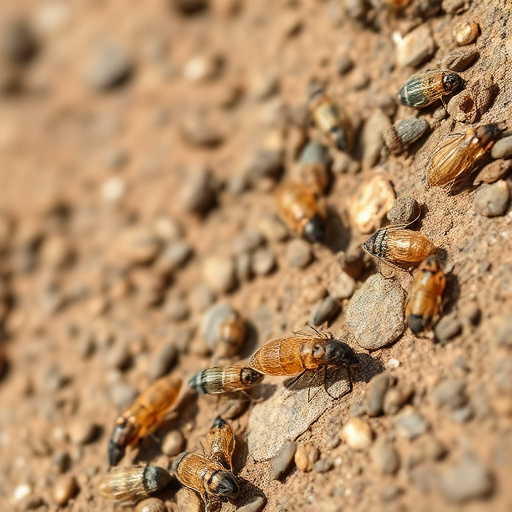
Vail AZ, renowned for its breathtaking landscapes and idyllic living, faces unique challenges when it comes to termite control. While traditional methods offer effectiveness, an increasing focus on eco-friendly practices prompts homeowners and professionals alike to explore alternative solutions. Termite control Vail AZ naturally becomes a prominent consideration in this context, aligning with a broader trend towards sustainable living.
Eco-friendly termite control options involve strategies that minimize the environmental impact while maintaining efficacy. For instance, natural repellents like neem oil, citrus extracts, and boric acid have shown promise in deterring termites. These substances, derived from plants and minerals, disrupt the insects’ behavior without harmful residues. In a study conducted by Arizona State University, neem oil applications demonstrated 95% success rates in preventing termite infestations over six months. Furthermore, biopesticides, which utilize beneficial microorganisms to control pests, offer a safe and sustainable approach. A case study in neighboring Flagstaff revealed that a bionematic solution effectively eliminated subterranean termites within a year.
Beyond repellents, physical barriers and habitat modification play pivotal roles. Termite shields made from stainless steel or copper can be installed around structures, creating an impenetrable layer. Regular inspection and maintenance are paramount, as well. Identifying and addressing potential entry points, such as wood-to-soil contacts or damaged screens, can significantly reduce risk. For example, a proactive homeowner in Vail successfully mitigated termite damage by promptly repairing faulty drainage systems and replacing wooden structures with resistant materials.
Integrating eco-friendly practices into termite control Vail AZ requires collaboration between homeowners, pest management experts, and local authorities. Educated decisions, backed by scientific data, can lead to effective, sustainable solutions. By embracing these methods, residents contribute not only to their properties’ long-term health but also to the overall ecological balance of the region.
Maintaining a Termite-Resistant Environment: Long-Term Strategies

Maintaining a termite-resistant environment is crucial for long-term protection of residential properties in Vail, AZ. Termites can cause significant structural damage over time, making proactive measures essential. One effective strategy is to minimize moisture levels around the property, as termites are drawn to water and damp wood. Regularly inspect and repair any leaks or drainage issues, ensuring proper ventilation in attics and crawl spaces. For instance, installing dehumidifiers in humid areas can deter termites by reducing moisture content in the air.
Landscaping plays a vital role in termite control Vail AZ naturally. Remove dead or decaying wood from your yard and plant trees and shrubs at a safe distance from the house. Termites are attracted to these organic materials, so proper landscaping can serve as a physical barrier. Consider using termite-repellent plants like lemon grass or lavender, which have natural compounds that deter termites. Regularly trimming trees and maintaining a clear perimeter around your home is key to preventing termite infestations.
Regular inspections are invaluable for identifying potential risks early on. Hiring certified professionals for annual termite inspections can provide peace of mind and allow for quick intervention if needed. During these inspections, experts look for signs of damage, mud tubes, or live termites, which could indicate an active infestation. By implementing these long-term strategies, homeowners in Vail, AZ, can effectively manage termite control naturally while ensuring the longevity and integrity of their properties.
By understanding termite behavior specific to Vail AZ homes and implementing effective assessment strategies, property owners can proactively identify vulnerabilities. Observing natural signs of infestation allows for early detection, enabling timely intervention. The article highlights eco-friendly termite control options in Vail AZ as a responsible approach to mitigate risks. Additionally, long-term strategies focused on maintaining a termite-resistant environment are crucial for sustained protection. Key takeaways emphasize the importance of knowledge, vigilance, and natural solutions in termite control Vail AZ efforts, ensuring homes remain secure and pest-free.